 CLOSE MENU

A study by CUNY SPH researchers found that family caregivers of hospitalized lung cancer patients in Northern Vietnam experience significantly diminished quality of life and that resilience may serve as an indirect pathway in the relationship between depressive symptoms and well-being.
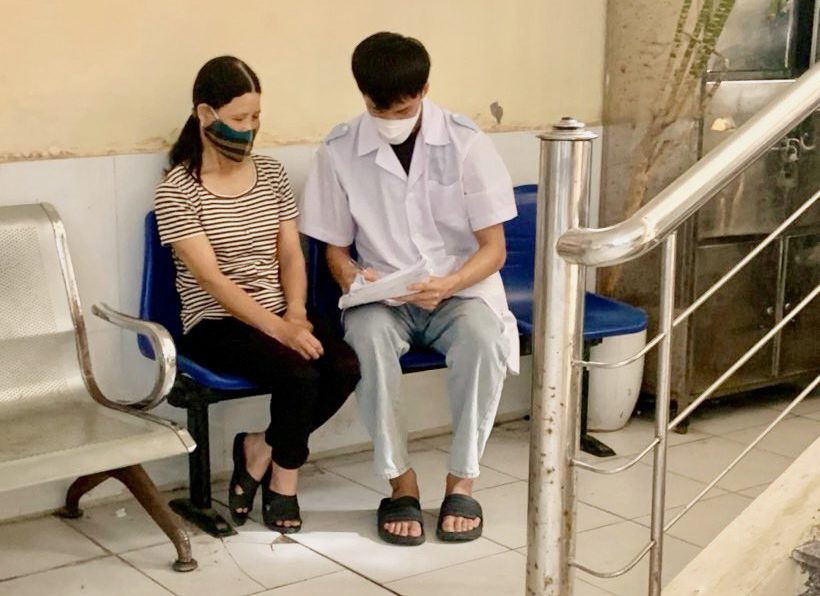
The research team, led by Dr. Thinh Toan Vu at the Center for Innovation in Mental Health, surveyed 213 adult family caregivers at a provincial hospital in Northern Vietnam between 2023 and 2024. Caregivers reported a mean quality of life score of just 50.3 out of 100, substantially lower than the general Vietnamese population average of 61.1. Over a third of caregivers reported very poor or poor mood (34.7%), work satisfaction (35.2%), or economic status (36.2%), and more than half reported very poor or poor leisure time activities (52.6%) and sexual drive or interest (52.6%).
Depressive symptoms were negatively associated with quality of life. Resilience, however, was positively associated with quality of life and was identified as a significant indirect pathway in the relationship between depressive symptoms and quality of life, accounting for 15.5% of the total association. Older caregivers, women, spousal caregivers, and those with lower education and income levels reported the poorest quality of life.
“Our findings suggest that caregiver support programs may benefit from a dual-focus strategy, addressing depression screening and management while also fostering resilience,” says Dr. Vu. “This is especially important in low- and middle-income countries where family caregivers play an outsized role in patient care but receive very little support themselves.”
“Our team has experience implementing mental health task-sharing models in Vietnam through initiatives such as Project DEP and LIFE-DM, in which non-specialists deliver brief psychosocial interventions under the supervision of mental health professionals at community health stations,” Dr. Vu adds. “Extending similar approaches to caregiver support in hospital settings through brief modular interventions during hospital stays and telephone- or digitally based follow-up after discharge may represent a feasible next step.”
The research was supported by the Cancer Epidemiology Education in Special Populations program (NIH R25CA112383), the Weill Cornell Medicine CARE T37 program (NIH T37MD014220), the CUNY Graduate Student Government Association Professional Growth Award, the CUNY SPH Dean’s Dissertation Award, and the Point Foundation’s BIPOC Scholar awards.