 CLOSE MENU



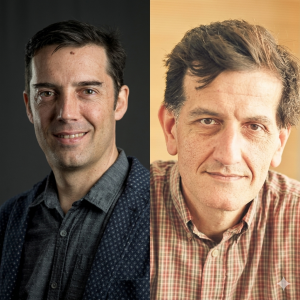
CUNY SPH Associate Professor Ghada Soliman was awarded a PSC-CUNY grant to develop new strategies for prevention and intervention in type 2 diabetes starting in July 2020. The project is in collaboration with CUNY SPH Professor Mary Schooling.
Diabetes mellitus is one of the most prevalent chronic diseases globally, and in the U.S. In 2017 alone, the cost of diagnosed diabetes in the U.S. was $327 billion, according to the American Diabetes Association. The disease is also associated with multi-morbidities, including obesity, metabolic syndrome, and other chronic pancreatic diseases.
Through the grant, Soliman aims to use the Mendelian Randomization approach to determine the causal role of genetically predicted Mechanistic Target of Rapamycin Complex 1(mTORC1) gene variants and their downstream targets on type 2 diabetes risk. Findings from these studies will determine the causal contribution of the nutrient-sensing mTORC1 signaling pathway and its downstream effectors on type 2 diabetes mellitus by combining integrative bioinformatics and publicly available databases. In the future, the findings could be developed clinically to map out personalized precision-medicine plans in type 2 diabetes.
“It is estimated that in 2015, 30.3 million people in the U.S. had diabetes,” Soliman says. “Among those, only 23.1 million people had a diagnosis, and about 7.2 million were undiagnosed. Further, it is estimated that 33.9% of U.S. adults have prediabetes or are insulin resistant. So there is an urgent need to develop new strategies for prevention, early detection, and intervention in type 2 diabetes and the associated cardiometabolic risk.”