
 CLOSE MENU
Dr. Elizabeth Geltman testifies before the EPA on proposed “secret science” rule
Dr. Elizabeth Geltman, a professor in the Department of Health Policy and Management at the CUNY Graduate School of Public Health and Health Policy (CUNY SPH) and an expert on environmental health policy, appeared before the EPA to give testimony on the proposal.
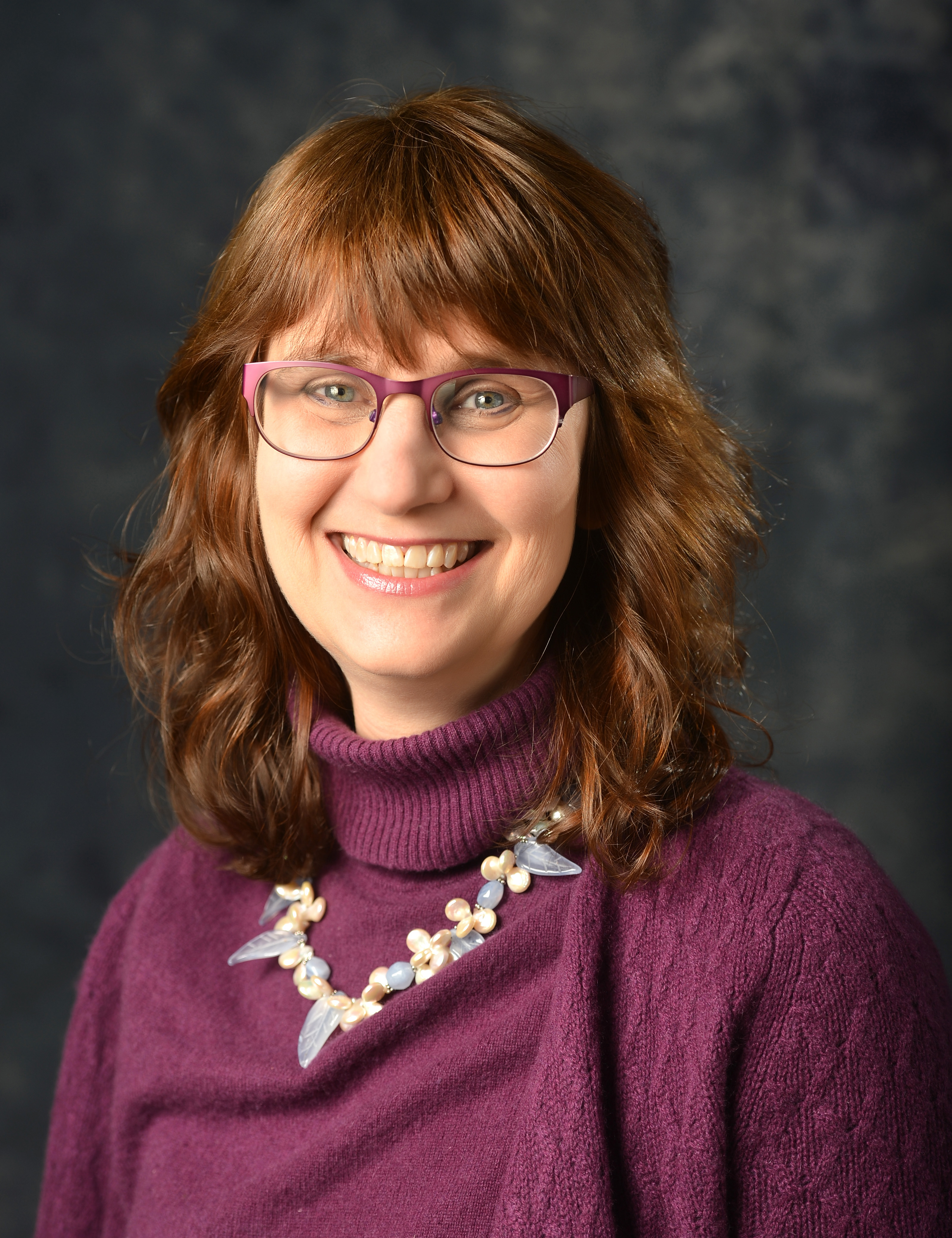
Geltman stated that despite its goal of establishing transparency about what scientific evidence is considered in the process of creating environmental regulations, in practice, the new rule just creates new regulatory hurdles by discounting and precluding consideration of long-standing, established scientific practice. Geltman warns that rather than promote the transparency of the scientific information used, the rule will obscure the democratic process, slow the pace of science and progress and potentially prevent important health data from being considered by the EPA in outlining environmental policy.
Geltman points out that many studies require people who are study subjects to share very personal information, often on the legal or ethical condition that the private medical information provided will be protected from public view.
Arguing that the EPA has presented no scientific reason to prevent the use of human health studies simply because the underlying medical records are not available for public inspection and review, Geltman calls for the EPA to allow consideration of all available scientific data pertinent to a proposed environmental rule or regulation, including randomly controlled human health trials and other epidemiological studies, in order for policy makers to be able to make informed decisions on environmental regulations that may affect health.
Geltman has over 30 years of experience working on EPA regulated matters and has authored 17 books on environmental and natural resources policy.