
 CLOSE MENU

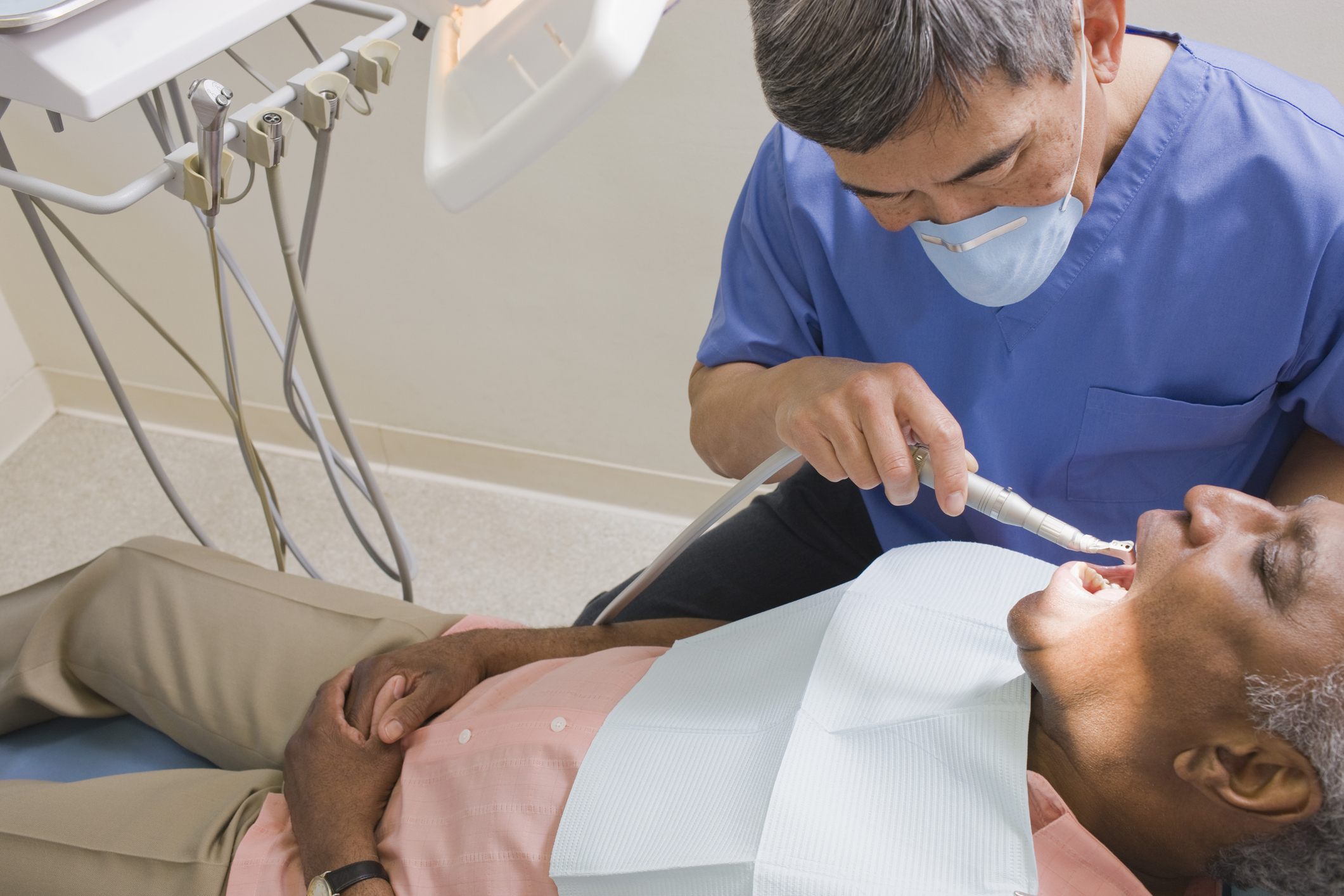
Older Americans with oropharyngeal and oral cancers face high medical costs but are missing out on needed dental care, according to a new study by Associate Professor Onur Baser and colleagues.
The study, published in Cancer Epidemiology, Biomarkers & Prevention, examined insurance claims from 2013–2024 for more than 100 million commercially insured adults and 7 million Medicare beneficiaries to track prevalence, healthcare spending and dental use among people with oropharyngeal and oral cancers. The researchers found that while these patients experience serious treatment-related oral complications, they had fewer annual dental visits than similar adults without cancer in both Medicare and commercial plans.
Prevalence of oropharyngeal and oral cancers reached 396 cases per 100,000 people in Medicare, nearly six times higher than in commercial insurance, and men had about double the prevalence of women in both insurance groups. Risk‑adjusted annual healthcare costs averaged 22,984 dollars for Medicare patients and 47,542 dollars for commercially insured patients with these cancers, driven largely by higher inpatient and outpatient spending compared with adults without cancer.
Despite these high medical costs and the well‑documented oral side effects of surgery, radiation and chemotherapy, patients with oropharyngeal and oral cancers had slightly fewer dental visits per year than matched controls (2.79 vs. 2.98 in Medicare; 2.81 vs. 3.20 in commercial plans) and received fewer periodontal treatments, restorations and extractions. The authors argue that this reflects gaps in survivorship care and insurance design—particularly the lack of comprehensive dental benefits in traditional Medicare—and call for integrated medical–dental care models and expanded dental coverage for cancer survivors.
“Incorporating pretreatment dental evaluations, regular follow‑up and better coordination between oncology and dental providers could reduce complications and improve quality of life for survivors,” says Dr. Baser. “The study emphasizes the urgency of treating oral health as a core component of cancer survivorship, especially for older men on Medicare who carry a high burden of both cancer and other chronic conditions.”