 CLOSE MENU

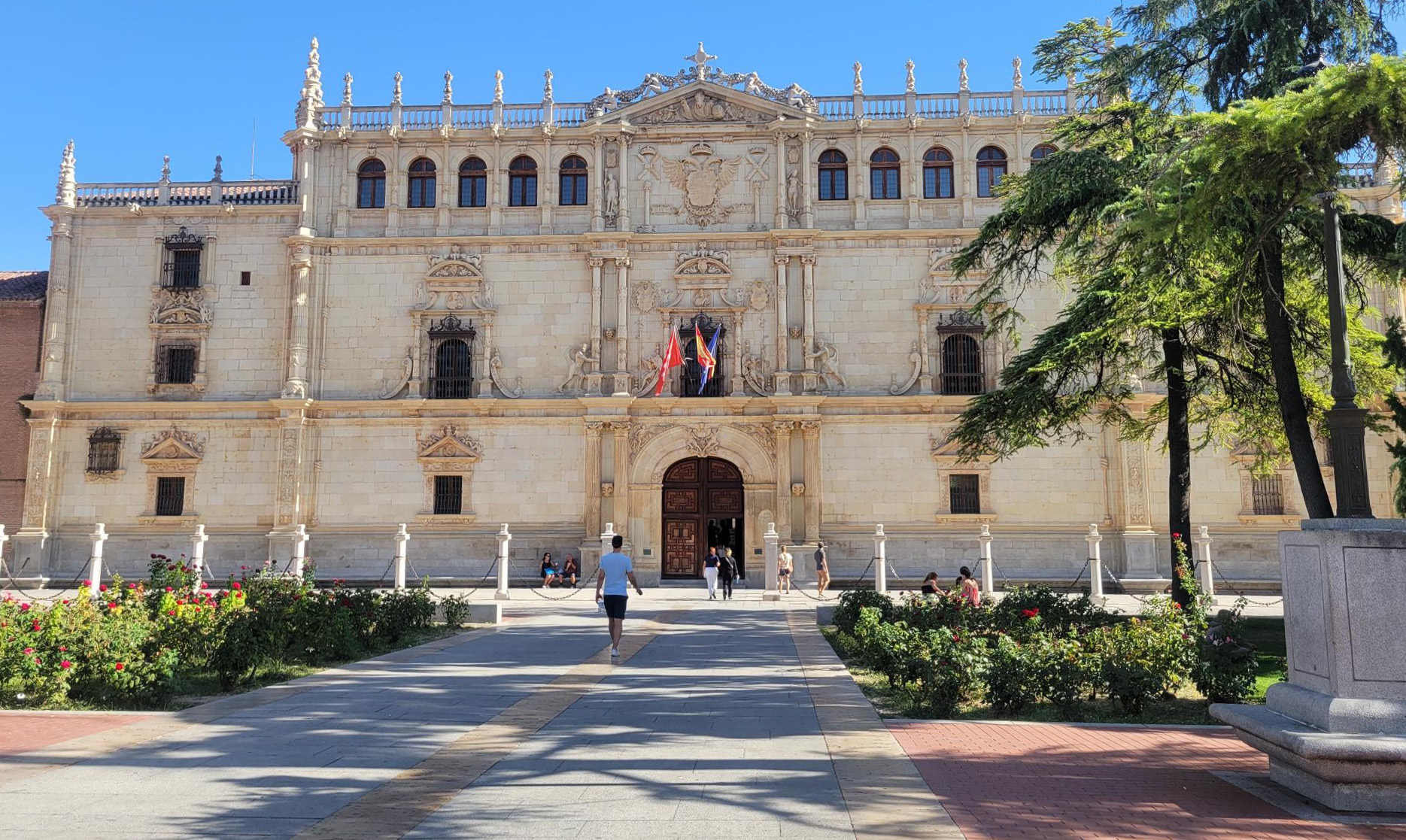
In partnership with the University of Alcalá (UAH) in Madrid, CUNY SPH offers a semester study abroad fellowship program for master’s students in the Epidemiology and Biostatistics and Community Health tracks.
The fellowship offers students a unique opportunity to immerse themselves in a new culture and expand their academic perspectives, while acquiring invaluable skills that will serve them well in their future public health careers.
We caught up with the four fall 2025 fellows–Kylie Frost, Ofelia Garcia, Leah James, and Michelle Liu–who having recently returned from Spain share with us their insights and reflect on their experiences studying public health in a new environment.
 Kylie Frost:
Studying abroad in Spain was an incredibly enriching experience. I loved immersing myself in course work while learning a different culture and experiencing a new place. It was a privilege to learn in person, live abroad, and build memories that I will truly treasure forever
I was especially excited by the opportunity to take classes fully in person. In-person learning creates space for meaningful relationships with professors and classmates and allows for deeper engagement with the material. Beyond academics, the chance to live and learn in another country felt like a once-in-a-lifetime opportunity to challenge myself, explore a new culture, and grow both personally and academically.
What stands out most to me was the daily rhythm of life I developed while living in a Spanish town surrounded by other students. Simple moments like walking the local park trails, going to the library, and spending weekends exploring Madrid’s museums and historic sites, made the experience feel both grounding and exciting.
This program deepened my understanding of public health through its exceptional faculty. Learning directly from experienced professionals in a face-to-face classroom setting allowed for rich discussions, real-world perspectives, and immediate feedback. Their teaching strengthened my analytical thinking and helped me better understand how public health concepts are applied across different cultural and health system contexts.
I gained a more global perspective on public health, particularly an appreciation for how culture, place, and community shape health outcomes.
I would advise future fellows to take advantage of the opportunity to explore and travel while you’re abroad but also make the most of the academic experience. This program offers access to amazing public health professionals, so prioritize building relationships.
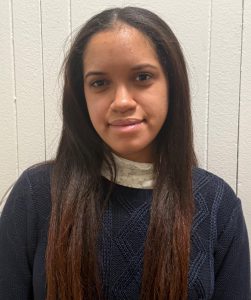 Ofelia Garcia:
The program offered a thorough and engaging academic experience while also giving me the chance to live in a beautiful and unique setting. That combination made the experience both intellectually meaningful and personally memorable.
I was excited by the chance to see how epidemiology and public health are practiced in a different healthcare system, especially around chronic disease, social determinants of health, and health disparities. I am really interested in the data and science side of public health, and the program at the University of Alcalá felt like a great fit for exploring those questions in a global context. As a mostly virtual student, the opportunity to take in-person classes and learn directly alongside faculty and students in Spain was also a big part of what drew me to the program.
The experience left me feeling more prepared to work with real data in fieldwork and on my capstone. I became more comfortable designing research questions, organizing datasets, and selecting models based on causal reasoning, including how to account for other factors that may influence the relationships being studied. This has helped me better interpret results in terms of real population-level relationships rather than just statistical output.
 Leah James:
I was motivated to apply to this program by the prospect of understanding public health in a more well-rounded, global context. I was also drawn to the challenge of adapting to a different country and adopting aspects of the Spanish lifestyle, both as a test of my independence and as a way to better understand myself outside of my usual environment.
My most memorable moments were the time I spent exploring Spain and nearby countries. Navigating unfamiliar places taught me a lot about independence and adaptability, and it allowed me to form lifelong international connections. Personally, I am a public transportation enthusiast, so I loved the little moments on trains and buses into Madrid and other various places.
Having a first-hand view of how people live in Spain and other European cities deepened my understanding of the role stress plays in public health. My research interests have always focused on mental health, and I noticed that the routines I adopted abroad led me to feel less stressed than I ever had before. In contrast to the current political and social climate in the United States, this experience reinforced my hope that we can invest more in public health infrastructure and research to reduce daily stressors, including those related to education, finances, and housing. This is not to say that Spain is without public health challenges because every country has policies and systems that produce inequities, but experiencing a different approach helped me think more critically about how structural choices shape population health
I gained stronger cross-cultural communication skills, greater adaptability, and a more global perspective on public health systems. These skills have helped me approach my coursework with more nuance and curiosity, particularly when thinking about how policy, culture, and daily routines interact to influence health outcomes.
For future fellows, I would recommend preparing by learning the language and customs to a manageable degree, but also allowing room for learning as you go. I would also encourage students not to be afraid of change or of interacting with new people and places, and to stay open-minded about how the experience may change them personally and professionally.
This was a deeply enriching and rewarding experience that supported both my public health training and my personal growth. I became a better communicator and a more confident, fearless individual, which has prepared me for the next phase of my life as a young woman and as a public health professional.
Michelle Liu
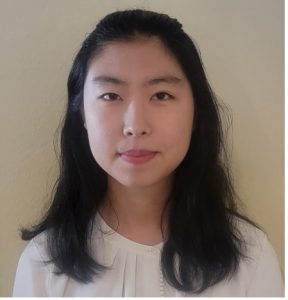 I was interested in the study abroad program due to its opportunity to take in-person classes, as well as engage with different faculty in an international setting.
During the program, we were able to discuss certain public health issues in the United States, as well as through an international context with faculty from Spain. Guest lecturers also allowed for more perspectives into the current initiatives being considered for global public health interventions and efforts.
We had a guest lecturer from another international student on Propensity Scores, and learning from her in-person lecture on the topic was very meaningful. Living amongst other international students and engaging with other individuals from other programs on a school campus setting was also a meaningful experience.
I was able to learn about more rigorous biostatistics methods and theory behind different epidemiological methods. In our courses, we also were introduced to more rigorous aspects with programs such as R studio to complete lab assignments and class exercises.
It would be valuable to experience the program with the perspective of the local people, rather than remaining as an outside foreigner to the country. I would encourage future fellows to come out of their box and learn to live in a way similar to the locals in the area during the program.
Interested in the study abroad program? Apply here!