
 CLOSE MENU

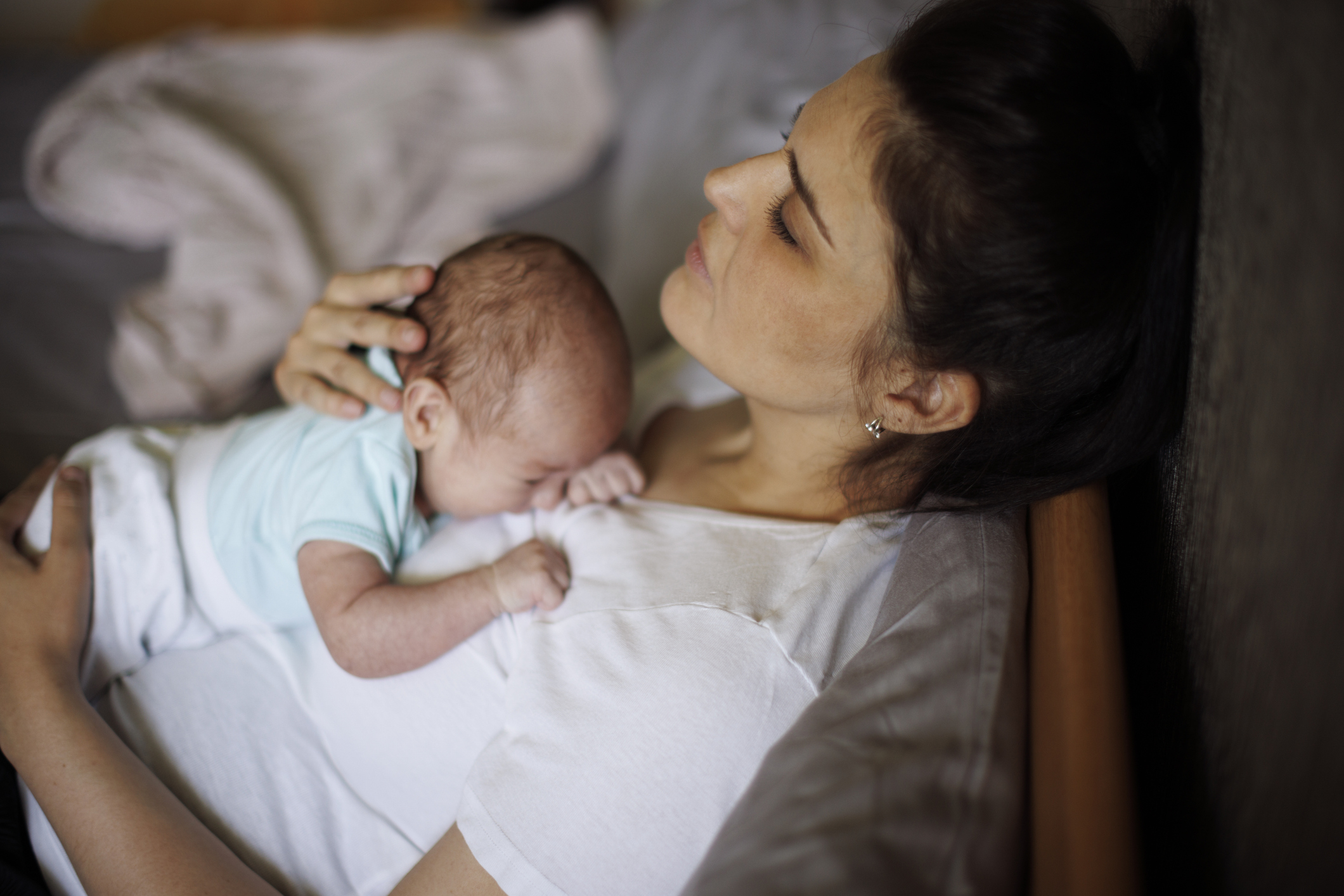
A new national study of Medicaid enrollees finds that postpartum depression (PPD) rose significantly among women and adolescents living in low‑income areas of states that banned or severely restricted abortion following the U.S. Supreme Court’s Dobbs v. Jackson Women’s Health Organization decision.
For the study, CUNY SPH Associate Professor Onur Baser and colleagues analyzed claims data for more than 160,000 Medicaid-covered pregnancies from 2019 to 2024 and used a difference-in-differences design to compare trends in 14 “trigger law” states with 36 states without post-Dobbs abortion bans.
Among patients in the lowest socioeconomic status tercile, living in a trigger-law state was associated with a 9.0% relative increase in PPD diagnoses after Dobbs compared with similar patients in non-trigger states (difference-in-differences coefficient, 0.090; 95% CI, 0.035–0.146; P = .001). No meaningful association between abortion bans and PPD was detected for patients in middle- or high- socioeconomic status areas.
The study cohort included 102,597 individuals pre-Dobbs and 61,113 post-Dobbs, all aged 12 to 55 years with pregnancies ending in live birth or stillbirth and at least 12 months of continuous Medicaid enrollment before and after delivery. PPD was identified using validated claims-based algorithms for postpartum depression and major depressive disorder, and analyses adjusted for demographics, comorbidities, obstetrical and lifestyle risk factors, and state-level mental health resources and Medicaid policy.
Residents of trigger states were more likely to live in rural and low socioeconomic status communities, had fewer behavioral health clinicians per capita, and were less likely to be covered by Affordable Care Act Medicaid expansion or to live in states with robust federally-funded mental health programs. The authors note that these structural gaps in mental health infrastructure may compound the psychological impact of forced continuation of pregnancy among those least able to travel out of state or access medication abortion.
“As abortion bans have rolled out after Dobbs, the mental health burden has not fallen evenly,” says Dr. Baser. “Our data show that women and adolescents in the lowest-income communities face a clear and disproportionate rise in postpartum depression risk.”