

 CLOSE MENU

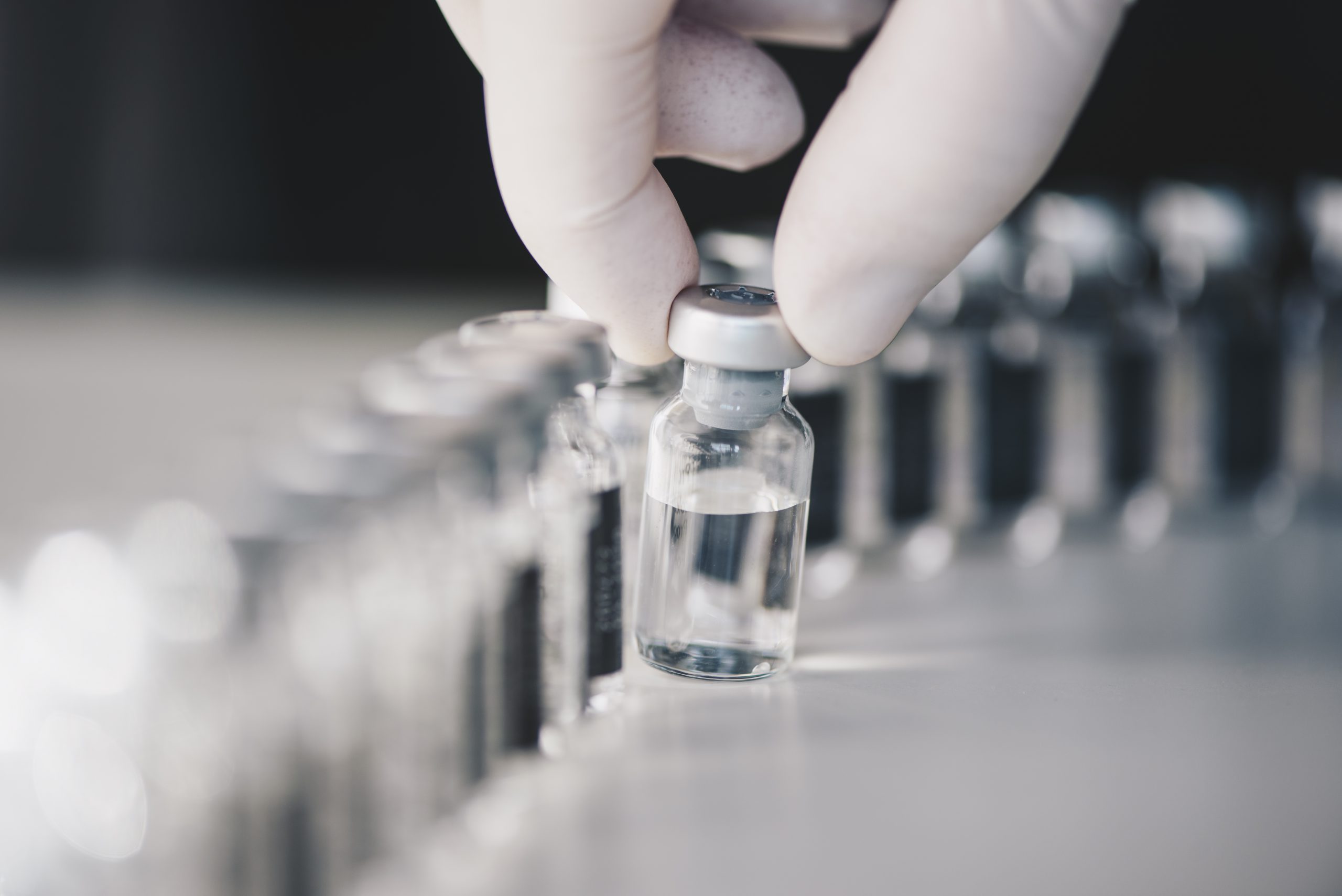
In a new brief report, researchers caution against repeating past mistakes in HIV prevention, as high drug prices and insurance coverage issues have slowed uptake of long-acting, bi-monthly injectable pre-exposure prophylaxis (PrEP) in recent years. They warn that these same challenges are poised to undermine the implementation of the newly approved twice-yearly form of injectable PrEP.
CUNY SPH doctoral alumna Alexa D’Angelo, Distinguished Professor Christian Grov, and colleagues used preliminary data from an ongoing longitudinal, online national cohort study of sexual and gender minority people in the U.S. who were vulnerable to HIV and not on PrEP at enrollment.
At baseline, 61% initially reported they were somewhat or very interested in bimonthly injectable cabotegravir, yet only 2.9% of those who started any PrEP had used an injectable formulation at 12 months, rising only to 3.7% at 24 months.
Participants cited major obstacles in getting insurers to pay for injectable PrEP, finding providers and clinics willing or able to prescribe and administer injections, and keeping up with required visits and lab work, with many also reporting general concerns about cost, side effects, and the burden of dealing with insurance.
The authors note that these problems are likely to intensify with the recent approval of twice-yearly lenacapavir for PrEP, which carries an annual list price of more than $28,000 and is not yet covered under the U.S. Preventive Services Task Force’s (USPSTF) federal mandate that most insurers provide PrEP with no cost-sharing.
With cuts to federal HIV prevention and Medicaid funding looming, and a USPSTF that currently is not meeting to revise recommendations, we are in a challenging political context for HIV prevention at large, including the scale-up of injectable PrEP, they say.
“Without aggressive policy action to lower drug prices and expand coverage requirements, the promise of long-acting injectable PrEP to reach people who struggle with daily pills may go unrealized, squandering a major scientific advance,” says Dr. D’Angelo.